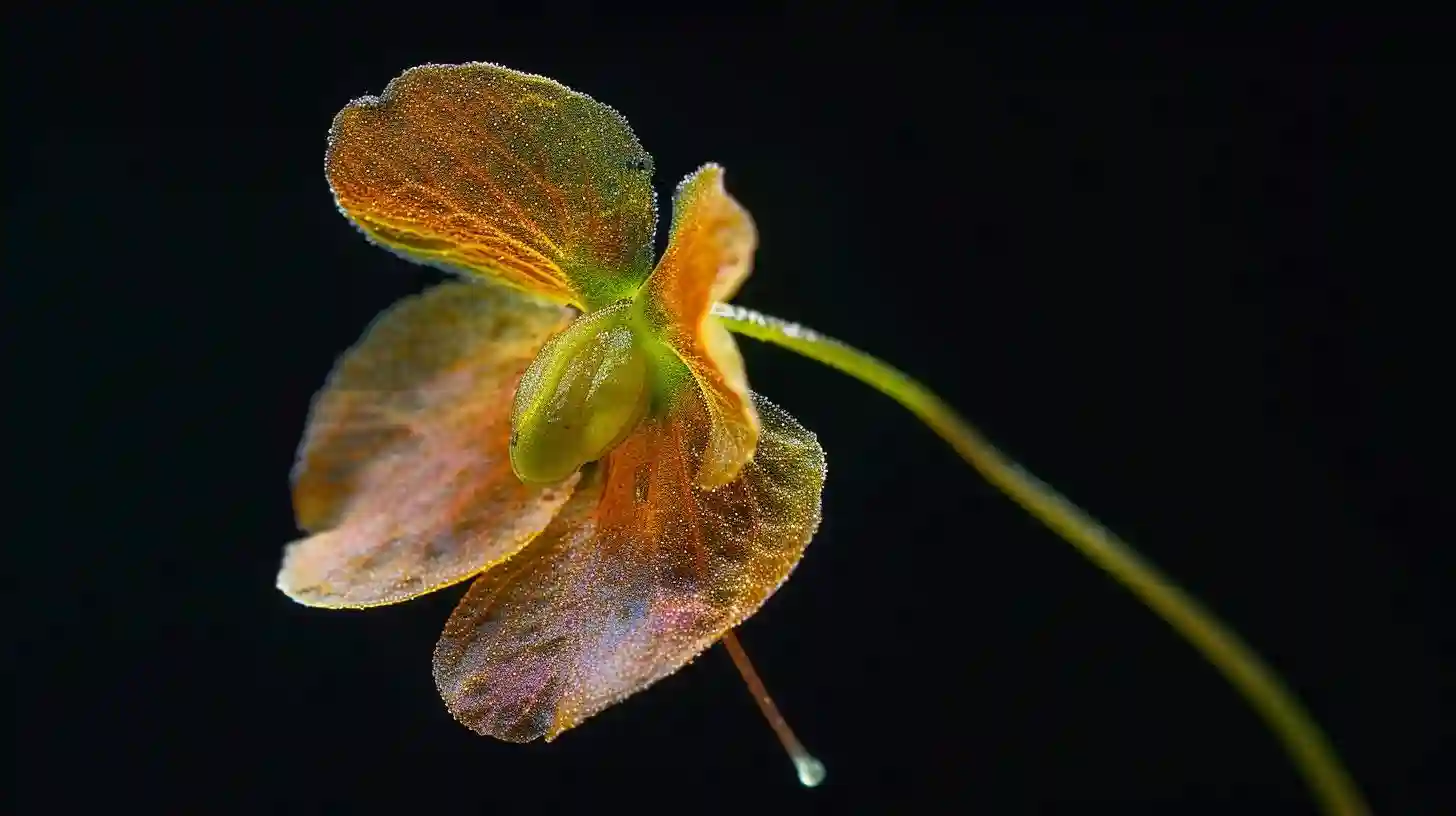
Utricularia biflora, commonly known as the two-flowered bladderwort, is a fascinating species of carnivorous plant that primarily thrives in wetlands and marshy environments. This perennial herbaceous plant is part of the larger family of Lentibulariaceae, which encompasses a diverse group of aquatic and semi-aquatic plants known for their unique adaptations to nutrient-poor habitats. The characteristics of Utricularia biflora reflect its evolutionary responses to the challenges presented by low-nutrient environments, making it a subject of interest for botanists, ecologists, and enthusiasts of carnivorous plants alike.
Native to various regions across the globe, specifically in tropical and subtropical areas, Utricularia biflora can be found in countries such as Brazil, Venezuela, and parts of Southeast Asia. Its habitat typically includes shallow water bodies, swamps, and even bogs, where it can flourish among other wetland flora. Utricularia biflora is known for its unique adaptations that allow it to capture and digest small prey such as aquatic insects and tiny crustaceans, providing it with nutrients that may be lacking in its watery habitat. This carnivorous behavior is facilitated by specialized structures known as bladders, which are designed to trap unsuspecting prey that venture too close.
The anatomy of Utricularia biflora is particularly intriguing. The plant produces elongated stems that can grow submerged, where they often create an intricate network. The leaves are generally filamentous, finely divided, and can be either floating or submerged. Their green coloration allows them to perform photosynthesis, a vital process for energy production. However, it is the bladders that are most notable, often positioned along the stems. These bladders are small, resembling tiny balloons, and are equipped with a trapdoor mechanism. When small aquatic creatures contact the trigger hairs located on the bladder's entrance, the door snaps open, sucking the prey inside. Once trapped, the prey is digested by enzymes secreted by the plant, allowing Utricularia biflora to absorb essential nutrients.
The flowering aspect of Utricularia biflora adds an additional layer of complexity and beauty to this plant. The flowers, typically delicate and strikingly colored, usually bloom in pairs as suggested by its name. These blooms emerge from stalks that rise above the water surface, attracting pollinators such as bees and butterflies. The presence of two flowers is a distinguishing attribute of this species, making it easily recognizable among other types of bladderworts. Flowering usually occurs during specific seasons, coinciding with climatic conditions suited to pollination, which ensures the continuation of the species.
Utricularia biflora's reproductive strategy is equally remarkable, involving both sexual and asexual reproduction. When conditions are favorable, the plant produces seeds that can be dispersed by water or wind, allowing for colonization of new habitats. Asexual reproduction can occur through fragmentation of the plant, where parts of the stem develop into new plants. This dual-mode of reproduction ensures resilience in the face of environmental changes and temporal variations in water levels, ensuring the survival of this unique species.
Research into Utricularia biflora has provided insights into its ecological role within its native habitats. By trapping and digesting small aquatic organisms, it participates in the food web, serving as both predator and prey. The presence of Utricularia biflora in wetland ecosystems may also influence the composition and behavior of other organisms inhabiting those environments, promoting biodiversity. Moreover, as a carnivorous plant, it plays a critical role in nutrient cycling, contributing to the overall health of its habitat.
Conservation concerns surrounding Utricularia biflora have emerged as wetlands face threats from urbanization, pollution, and climate change. Loss of habitat is a significant danger, as these delicate ecosystems are often drained for agricultural development or urban expansion. Additionally, chemical runoff from agricultural practices can lead to nutrient loading in water bodies, disrupting the natural balance and potentially outcompeting the specialized flora like Utricularia biflora. Preservation of these habitats is critical not just for the survival of Utricularia biflora but for the multitude of species that rely on wetlands for their existence.
Efforts to study and conserve Utricularia biflora are ongoing, with botanists and ecologists emphasizing the importance of understanding the species' ecological requirements and its interactions within its habitat. Educating local communities about the significance of wetland ecosystems, along with the implementation of sustainable practices, is vital for ensuring the survival of this species and the delicate balance of its environment. Protecting wetlands contributes not only to the preservation of Utricularia biflora but also to the broader mission of conserving biodiversity, enhancing resilience against climate change, and sustaining natural resources.
As interest in carnivorous plants continues to grow, Utricularia biflora stands out due to its unique adaptations and behaviors. Enthusiasts often cultivate this species in controlled environments, providing suitable conditions for growth and flowering. Growing Utricularia biflora requires an understanding of its specific needs, such as access to nutrient-poor water, proper light, and appropriate temperatures. While cultivation poses challenges, the rewards of witnessing the growth and flowering of such a unique plant can be profound. Additionally, cultivation efforts can help raise awareness about the ecological significance of carnivorous plants, contributing to conservation efforts.
The study of Utricularia biflora, like that of many other carnivorous plants, offers valuable insights into evolution, ecology, and the complex interactions within ecosystems. Continued research can lead to a better understanding of how such plants adapt to challenging environments and the roles they play in maintaining ecological balance. As scientists delve deeper into the mechanisms and traits of Utricularia biflora, they may uncover further applications in areas such as ecology, agriculture, and conservation biology.
Utricularia biflora is more than just a captivating example of plant adaptation; it is a symbol of resilience and the intricate connections that bind life within vulnerable ecosystems. This two-flowered bladderwort invites admiration for its beauty while simultaneously urging recognition of the delicate balance required for its survival. Engaging with the intricacies of Utricularia biflora leads to a profound appreciation of nature's artistry and the need to preserve the habitats that play host to such remarkable life forms. The ongoing exploration of Utricularia biflora may, in turn, inspire a commitment to preserving the planet's biodiversity and ensuring that future generations can witness the wonder of such extraordinary plants.