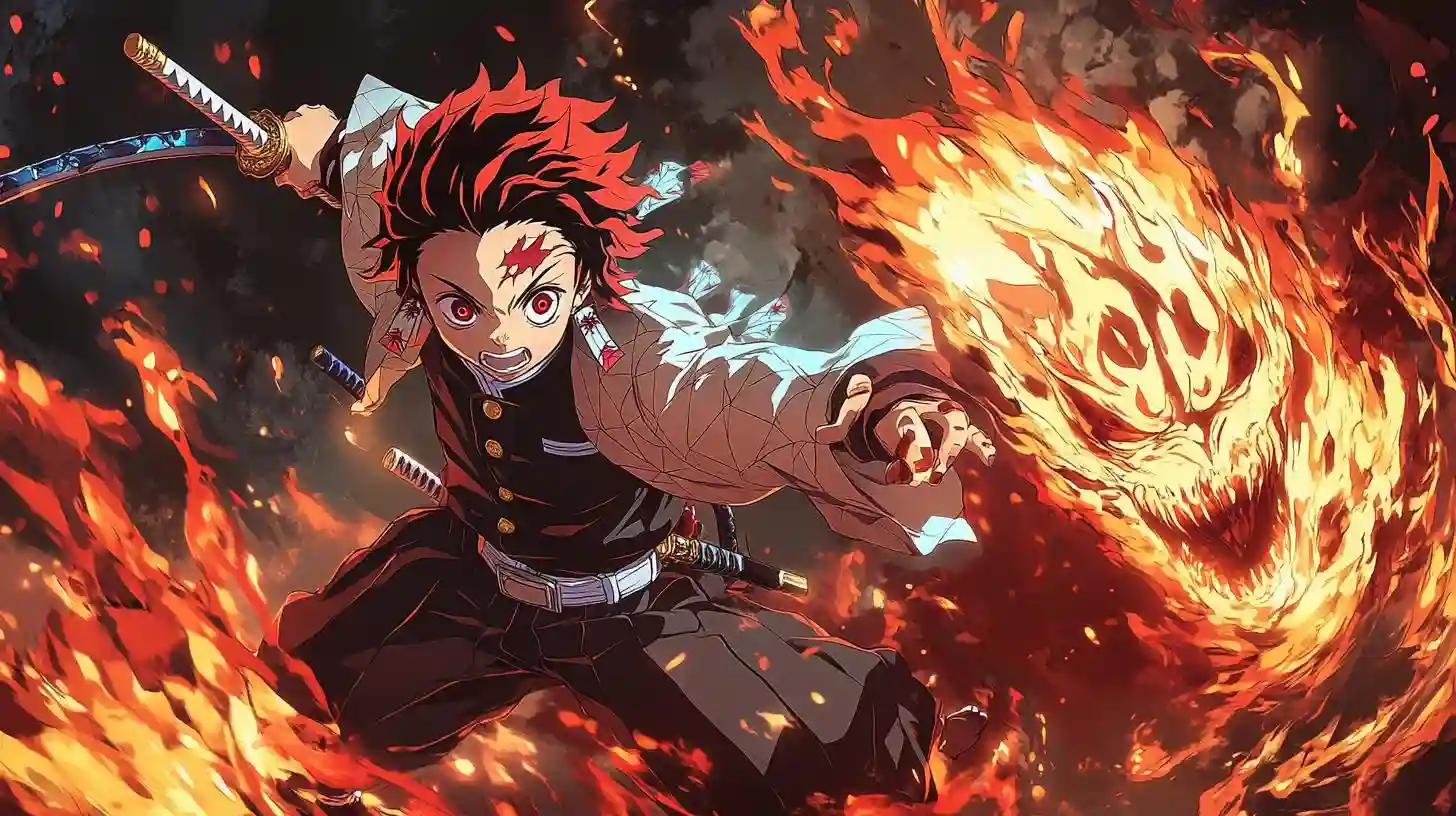
In the realm of anime, there exist narratives that transcend mere entertainment, transforming into visceral experiences that linger in the hearts and minds of the audience. Demon Slayer: Kimetsu no Yaiba stands as a testament to such storytelling, particularly through its portrayal of characters who embody the essence of struggle and resilience. Among these characters, the bond between Tanjiro Kamado, the young boy on a quest to rid the world of demons, and the ghostly figures he encounters elevates the narrative into an exploration of sacrifice, empathy, and an unyielding spirit in the face of overwhelming adversity.
Tanjiro, despite facing unimaginable horrors following the slaughter of his family, retains an unwavering sense of compassion. His journey is not merely one of vengeance; it is also a pilgrimage of understanding. With every adversary he confronts, he discovers the stories intertwined with their cursed existence. Each demon is more than just a monster; they are tragic figures who, at one point, were once human, driven to their fate by circumstances beyond their control. This realization does not dilute Tanjiro’s determination but rather adds layers of complexity to his approach. Rather than simply seeking to extinguish their lives, he wishes for their suffering to end, showcasing a profound empathy that is rare in the world he inhabits.
The ghostly entities that appear throughout the narrative often serve as manifestations of the past, haunting Tanjiro as he navigates through the darkness of his world. They whisper tales of sorrow and regret, challenging him to reflect on the cost of his quest. The spirits are not mere figments of imagination; they represent the consequences of choices made in desperation. As Tanjiro encounters these ethereal beings, he grapples with themes of loss and redemption. The emotions they evoke push him to question what it means to fight for one’s beliefs while remaining tethered to the memories of those who have suffered.
A particularly poignant aspect of Tanjiro’s growth lies in his interactions with the specters of his loved ones, especially as he recalls his deceased family. Their memories serve as guiding lights in the darkest of times, reminding him of his purpose. They instill in him the courage to continue battling even when the odds are insurmountable. These recollections are not only anchors but also motivators, reinforcing the idea that personal history shapes present actions. As he communes with these spirits, he draws strength and wisdom from their love, connecting the living and the dead in his journey of transformation.
Fighting is a prominent theme throughout Demon Slayer, yet the battles are imbued with deeper implications than mere physical confrontations. Every duel is a reflection of Tanjiro’s internal struggle against despair and doubt. Each encounter with a demon pushes him to his limits, both mentally and physically, allowing him to confront the very essence of what it means to be human. The choreography of the battles is visually stunning, yet it is the emotional weight carried within these sequences that resonates most with audiences. There is a poetic nature to each clash, as they represent not just the fight against evil, but the everlasting conflict within oneself between hope and despair.
The need for camaraderie surfaces in Tanjiro’s journey, underscoring the importance of connection in a bleak world riddled with loss. His companions, each carrying their own burdens and personal histories, become integral to his progress. Their relationships with Tanjiro serve as lifelines amid chaos, reinforcing the notion that no one battles alone. Together, they forge an unbreakable bond, proving that shared pain fosters resilience. The support they provide to one another is as crucial as their combat skills; they uplift and inspire, reminding each other of their intrinsic values. The impact of friendship is poignantly illustrated when they stand united against formidable foes, an embodiment of collective strength in the face of overwhelming odds.
This synergy between the living and the ethereal, alongside the visceral need for connection and understanding, encapsulates the brutal yet beautiful world of Demon Slayer. The story thrives on the intersections of personal sacrifice and unwavering resolve. Tanjiro, the boy of hope amidst despair, teaches not just about the relentless pursuit of one’s goals but also the significance of empathy, compassion, and the profound burden of remembering those who have come before. Through every fight, every haunting memory, and every shared moment of laughter, the narrative reveals that the essence of humanity is not only found in the battles fought but also in the connections forged along the way. The entanglement of past and present weaves a rich tapestry of life, loss, and the indomitable spirit that refuses to succumb to darkness, illuminating paths even in the deepest shadows.