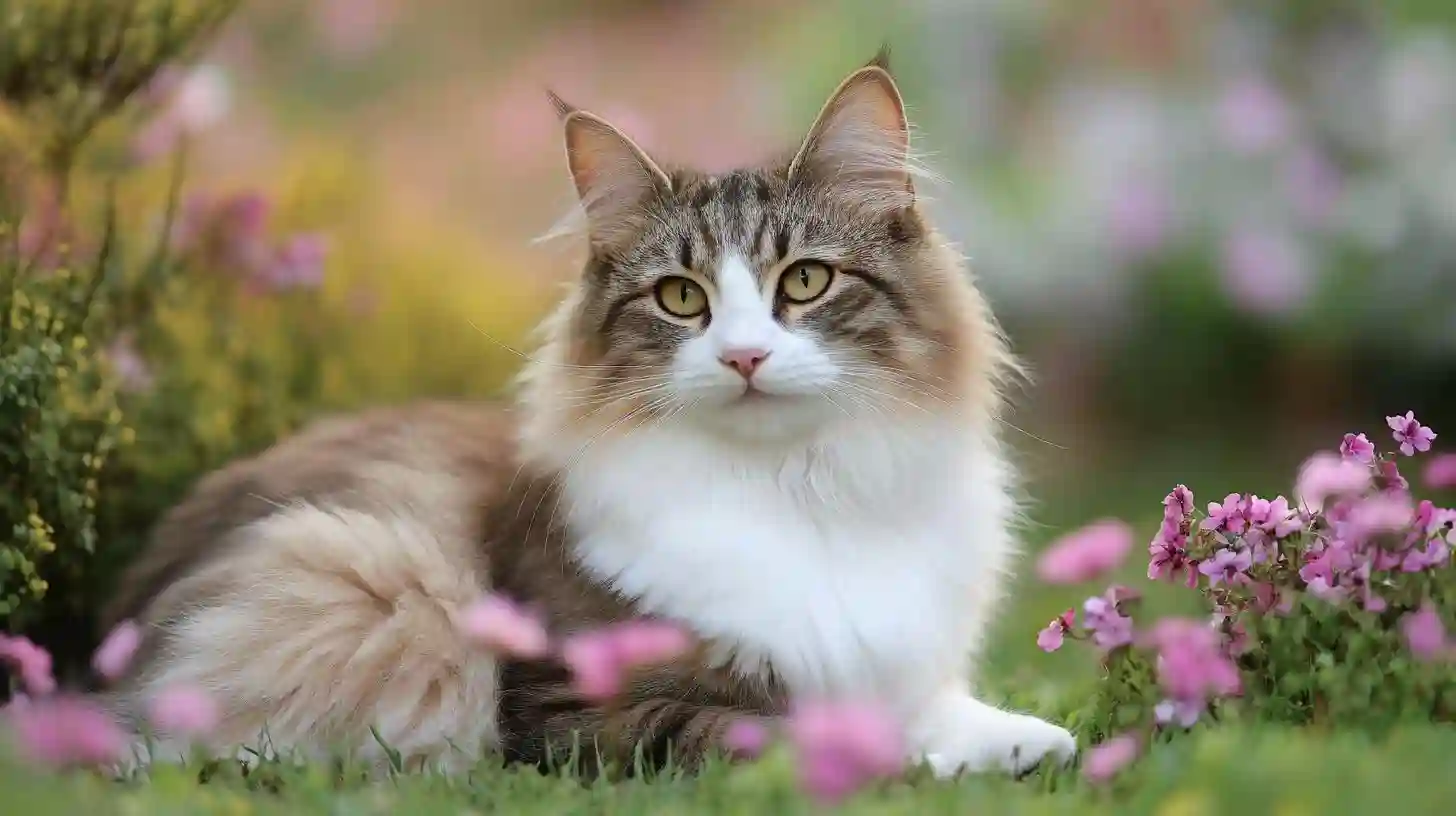
Kittens have an undeniable charm that captivates animal lovers and casual observers alike. With their soft fur, playful antics, and wide-eyed curiosity, they embody a sense of wonder that extends beyond their adorable appearance. While many people think they know all there is to know about these fluffy companions, several fascinating facts about kittens and their feline relatives continue to emerge. One intriguing aspect of kittens is the way they communicate. From purring and meowing to body language, they express a wide range of emotions. Interestingly, adult cats will typically rely on body language and vocalizations like hisses or growls to communicate with other cats, but when communicating with humans, they often revert to meowing, a behavior that is rarely used in feline-to-feline interactions. This highlights the unique bond between humans and their feline friends, as kittens learn to vocalize to engage and attract human attention.
Kittens are also born blind and deaf, relying heavily on their senses of touch and taste in their early weeks of life. Their eyes and ears typically open within a couple of weeks, revealing their vibrant blue irises that will often change color as they mature. The growth of a kitten is rapid and remarkable. During their first few months, they transition from clumsy, wobbly movements to agile leaps and bounds, showcasing their natural instincts and coordination. This transformation is not just about physical growth; it also involves socialization and learning. Interactions with their littermates and mother play a crucial role in developing essential skills like grooming and play fighting, which are vital for their future behavior.
Another captivating aspect of kittens is their play behavior, which is essential for their physical and mental development. Playtime mimics hunting, allowing kittens to hone their skills. They chase, pounce, and wrestle with imaginary prey, often using toys as stand-ins for creatures they would pursue in the wild. Observing a kitten at play reveals their innate behaviors, offering insights into how these little hunters are equipped for survival. Alongside physical play, social play is also significant; interactions with humans and other animals help build confidence and establish social boundaries that will inform their interactions throughout life.
Kittens have a reputation for being mischievous, and this reputation is well-earned. Their curiosity can lead them into unexpected and often amusing situations, from scaling furniture to investigating every nook and cranny of their environment. Some kittens develop elaborate games with household items, turning mundane objects like boxes and paper into playgrounds. This instinctive behavior reflects a deep-rooted need to explore and understand their surroundings. Furthermore, the adaptability of cats is noteworthy. Kittens can develop unique personalities, influenced by their environments and experiences. While some will embrace adventure, others may prefer the comforts of a cozy lap. This diversity enriches the human-kitten relationship, as owners learn to appreciate and cater to the distinct quirks of their furry companions.
Throughout the years, interesting studies and insights have emerged regarding the feline world. Research suggests that cats, including kittens, possess a higher level of emotional intelligence than once thought. They can recognize human emotions, responding differently to happy voices versus angry tones. This insight indicates that kittens are not just passive companions; they are actively engaged in understanding human behavior and emotions. This ability to empathize with their human counterparts fosters deeper bonds, making the relationship between kittens and people more meaningful.
Moreover, the impact of kittens on human wellbeing cannot be overstated. Studies have shown that spending time with pets, especially playful kittens, can significantly reduce stress levels and induce relaxation. Their antics elicit laughter and joy, serving as an antidote to the pressures of daily life. The simple act of petting a soft kitten has been shown to release oxytocin, a hormone that promotes feelings of love and connection, reinforcing the therapeutic benefits of cat companionship.
In today’s world, the popularity of rescue animals has surged, leading to an increased awareness of the importance of responsible pet ownership. Kittens in shelters often need homes, and within those fluffy little bodies lies the potential for love and companionship. Many organizations focus on educating the public about the importance of spaying and neutering to manage stray cat populations, and fostering kittens has become an essential and rewarding endeavor. Engaging with local shelters and rescue operations not only offers an opportunity to bring a kitten into a loving home but also allows people to contribute to the welfare of animals in their communities.
The delightful nature of fluffy kittens and their myriad fascinating traits and behaviors continue to enchant us. Their expressive communications, mischievous curiosity, and ability to form deep emotional bonds make them extraordinary companions. Each kitten brings its own personality, charm, and quirks, ensuring that life with them is anything but dull. As we learn more about these captivating creatures, we uncover endless layers of complexity in their behavior, relationships, and the joys they bring into our lives. Whether they are steeped in playful antics or curling up for a cozy nap, kittens remind us of the simple joy of companionship and the unconditional love that animals so freely offer.