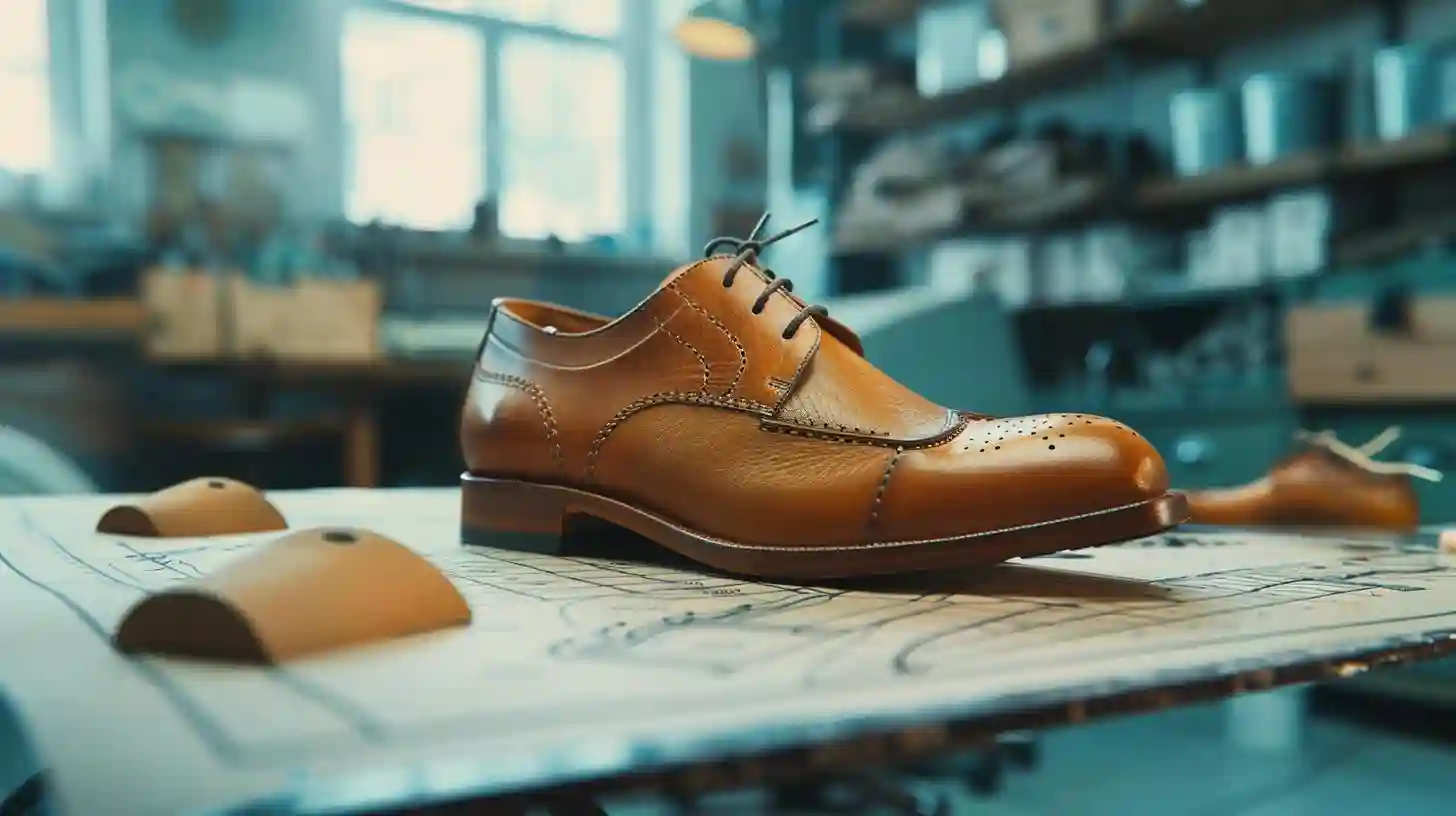
The pursuit of perfect footwear is a journey that goes beyond mere aesthetics or fashion trends. It delves into the intricate world of advanced customization, where foot measurement, shaping, and shoe last making play crucial roles in creating shoes that fit like a second skin. This realm of shoemaking emphasizes the importance of understanding the unique anatomy of each individual’s feet, enabling artisans to craft bespoke shoes that provide unparalleled comfort, support, and style.
The process begins with foot measurement, a fundamental step in creating custom footwear. Each foot is distinct, with variations in length, width, arch height, and overall shape. This diversity requires a meticulous approach to ensure that every aspect of the foot is captured accurately. Traditional methods involve tracing the foot on a piece of paper, but advancements in technology have introduced digital foot scanning, a technique that offers a three-dimensional view of the foot structure. This precision allows shoemakers to gather extensive data about the foot, including its volume and specific pressure points.
Understanding foot shape is essential in this personalized approach. Feet can come in various forms, from flat to high arches, and each shape influences how weight is distributed while standing or walking. A flat foot typically requires more support, while a high-arched foot may need cushioning to alleviate pressure. A deep understanding of these variations ensures that the resulting footwear can cater to the specific needs of the wearer, enhancing their overall well-being.
Once the measurement phase is complete, the next step involves shaping the shoe last. The shoe last is a model that mirrors the shape of the human foot, and it serves as the foundation upon which footwear is built. Creating the perfect last involves a combination of artistry and engineering. Artisans often rely on existing lasts as a starting point, but customization is necessary to accommodate the unique measurements obtained during the initial phase.
The crafting of a shoe last calls for a deep understanding of proportion and angles. The last must not only mirror the foot’s shape but also ensure that the shoe can support the wearer’s weight and movement effectively. This is where the artistry of shoemaking shines, as skilled craftsmen meticulously carve, mold, and refine each last by hand, ensuring that every detail is attended to. The balance between aesthetics and functionality is paramount, as the last must be visually appealing while also serving its intended purpose.
One of the innovations in advanced customization is the use of lightweight, durable materials in last-making. Traditional last materials, often made from wood or dense plastics, have been enhanced with modern composites that offer greater flexibility and comfort. These materials can better accommodate the natural movement of the foot, allowing for improved temperature regulation and moisture absorption. This innovation ensures that the custom shoes provide not only an exact fit but also a pleasant wearing experience throughout the day.
After the last has been meticulously crafted, it serves as the foundation for the shoe design process. Footwear designers draw inspiration from various sources, including fashion trends, functional requirements, and the physical characteristics of the wearer. This collaborative effort between the designer and shoemaker is essential in achieving a product that meets both aesthetic desires and practical needs.
Choosing the right materials is an integral part of advanced customization. The upper part of the shoe, the lining, and the sole materials must be carefully selected to match the criteria established during the measurement and last-making phases. High-quality leather, breathable synthetics, and cushioning foams each offer unique attributes that contribute to the overall performance of the shoe. The combination of materials must consider not only comfort and longevity but also the intended use of the footwear—be it casual wear, formal attire, or athletic performance.
Comfort features are another essential consideration in advanced customization. Many individuals suffer from foot-related ailments such as plantar fasciitis, bunions, or heel pain. A custom shoe can address these issues through strategic cushioning, arch support, and pressure-relieving contours. This attention to comfort not only enhances the wearer’s experience but also promotes foot health, allowing individuals to enjoy their daily activities without discomfort.
As the custom shoe takes its final shape, the artistry of finishing comes into play. This involves adding personal touches that elevate the shoe beyond mere function to a work of art. Customization may involve intricate stitching patterns, unique color combinations, and personalized monograms. This emphasis on individuality helps convey the wearer’s personality while ensuring that the shoe remains a one-of-a-kind creation.
The process of creating custom footwear is not without its challenges. Shoemakers often face the issue of achieving a precise balance between precision and the inherent variability of human feet. This variability can make it difficult to create shoes that fit perfectly for all occasions. However, experienced craftsmen understand that flexibility in design and manufacturing is key. They often incorporate adjustable features into their designs, such as laces, buckles, and straps, which allow for a degree of customization even after the shoe has been produced. This ensures that wearers can adapt to changing foot conditions, lifestyles, or even preference shifts.
Advancements in technology have also led to the emergence of online platforms that facilitate custom shoe ordering. Customers can now submit their measurements digitally, select materials, and even design their styles from the comfort of their homes. This convenience has opened up the world of bespoke footwear to a broader audience, allowing more individuals to experience the benefits of customized shoes.
The intersection of artistry, technology, and craftsmanship provides a unique opportunity to redefine how we approach footwear. The traditional notions of shoe shopping are evolving, giving way to an appreciation for the individuality of each person’s feet. It is a movement toward personalization that recognizes the inherent differences between individuals and celebrates them through custom footwear.
As the field of advanced customization continues to expand, the role of education and training in shoemaking becomes increasingly vital. Aspiring shoemakers must learn not only the technical aspects of shoe construction but also the history and philosophy behind custom footwear. Learning traditional techniques alongside modern innovations equips them with the skills to create shoes that are as functional as they are beautiful.
Embracing this rich heritage while exploring new frontiers of design, technology, and materials ensures that the craft of shoemaking remains robust and relevant. The journey toward the ultimate custom shoe is an ongoing exploration, one that draws upon centuries of knowledge and experience while leveraging the latest advancements in materials and design.
The quest for perfect footwear is a testament to our desire for comfort, individuality, and style. As we forge ahead into a future where advanced customization becomes the norm rather than the exception, the importance of foot measurement, shaping, and shoe last making will only continue to grow. This profound respect for the art of shoemaking celebrates not just the end product but the journey that each shoe undergoes, making every step a reflection of the unique person who wears it.