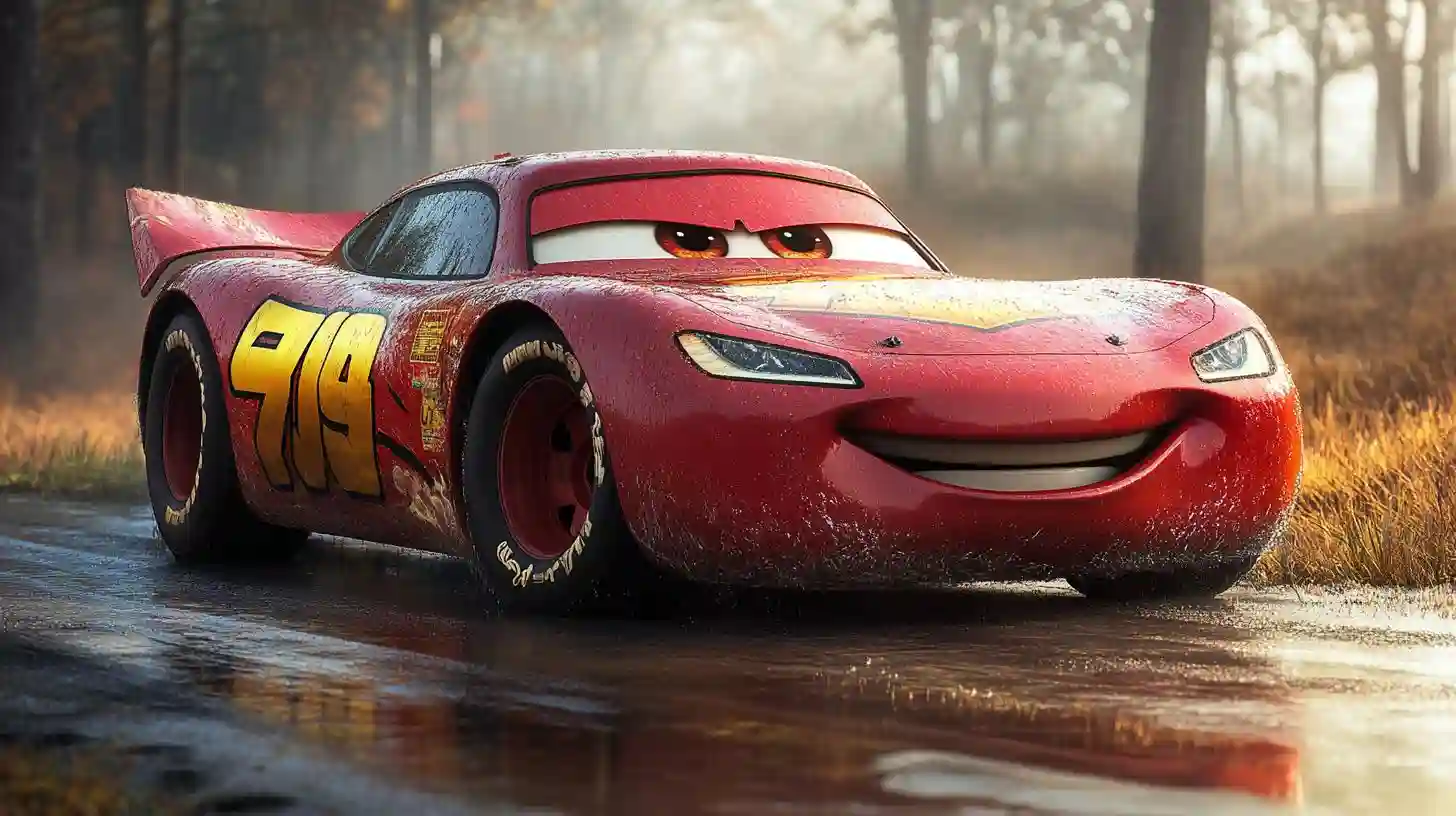
The beloved character of Lightning McQueen from Pixar’s animated film 'Cars' has captured the hearts of audiences worldwide since the film’s release in two thousand and six. With his vibrant red paint, charming personality, and determination to succeed, McQueen is more than just a racing car; he embodies themes of friendship, perseverance, and personal growth. However, the inspiration behind this iconic character runs deeper than the screenwriters’ imaginations. Delving into the real-life elements that influenced Lightning McQueen reveals a tale rich in automotive history, cultural significance, and the collective memory of NASCAR racing.
One of the most intriguing aspects of Lightning McQueen’s character design lies in the attributes reminiscent of real-life racing champions. The character’s appearance draws heavily from several well-known vehicles, including the Chevrolet Corvette and the Ford Mustang. The blend of these vehicles creates a distinct look that appeals to both young audiences and car enthusiasts alike. The Chevrolet Corvette, known for its sleek design and high performance, mirrors McQueen's fast-paced personality and his aspirations to become the best in the racing world. This choice of inspiration reflects not just the aesthetic appeal but also the racing heritage that these cars represent.
Additionally, Lightning McQueen’s personality can be traced back to the competitive nature of real racers. The film’s creators took cues from the world of NASCAR, where speed, skill, and strategy play pivotal roles. Real-life race car drivers, such as Dale Earnhardt and Jeff Gordon, served as egg shells from which the character emerged, with their intense dedication and ambition shaping McQueen’s persona. Dale Earnhardt, known as "The Intimidator," embodied the fierce competitiveness that Lightning McQueen exhibits on the track. His legacy in NASCAR provides a framework for understanding McQueen's evolution from a self-centered rookie to a humble, team-oriented racer.
The storyline of 'Cars' also draws inspiration from the rich tapestry of American culture surrounding car racing, particularly in the southern United States. The movie is set in the fictional town of Radiator Springs, which symbolizes the forgotten towns that once thrived along Route Sixty-six. This historic highway, known for its iconic road trips and nostalgic charm, serves as a backdrop for the film’s themes of community and friendship. Just as Route Sixty-six represents a bygone era of American travel, Radiator Springs pays tribute to the essence of small-town life and the connections people form within their communities. By incorporating these cultural elements, the film resonates with audiences who understand the significance of place in shaping identity.
Radiator Springs itself is a character in its own right, filled with personalities that embody elements of classic Americana. The town’s inhabitants, including Sally, Doc Hudson, and Mater, are inspired by real-life automotive history and the rich folklore that accompanies classic cars. For instance, Doc Hudson, a vintage car modeled after the Hudson Hornet, reflects the golden age of racing in the mid-twentieth century. His wisdom and mentorship to Lightning McQueen serve as a homage to the lessons learned from veterans in any field, emphasizing the importance of knowledge sharing across generations.
Moreover, Lightning McQueen’s journey is not solely about racing but also about learning to value relationships. This narrative arc mirrors the camaraderie found in actual racing communities. From crew members to fellow drivers, the relationships formed in the world of motorsports are crucial for success. Documentaries and interviews with real race teams showcase the tight-knit environments that develop among crew members, highlighting how teamwork is central to victory. In many ways, the bond between McQueen and his friends reflects this reality, as they support each other on and off the track, underscoring the significance of friendship in achieving personal goals.
Further, the film tackles the themes of rivalry and sportsmanship. Lightning McQueen's initial arrogance represents a common trope in sports, where young talent often enters the field with an inflated sense of self. However, the true essence of a champion is defined not just by victories but also by respect for competitors. Throughout 'Cars', viewers witness McQueen's evolution as he learns from his experiences and sees the value in kindness and humility. This important lesson reflects the ongoing discourse in real sports about the balance between competitiveness and sportsmanship, encouraging viewers to appreciate the journey rather than focusing solely on the destination.
The vibrant settings, humorous dialogue, and stunning animation all contribute to the film’s commercial success and cultural impact. Yet, the depths of its storytelling lie in the nuances that celebrate the spirit of automotive racing and the way it binds communities together. The filmmakers were adept at capturing this essence, intertwining real-life influences with entertainment to create a narrative that resonates with people of all ages.
The anthropomorphization of cars serves as a clever vehicle for exploring larger themes in society. By giving a personality to vehicles that represent freedom, power, and nostalgia, 'Cars' connects deeply with audiences reflecting on their own relationships with automobiles. Vehicles often serve as symbols of aspirations, adventures, and the open road – all fundamental aspects of the American experience. Through Lightning McQueen’s character, Pixar taps into this symbolism, inviting viewers to consider their journeys, both literal and metaphorical.
The musical score and sound effects in 'Cars' also play a critical role in enhancing the narrative. Incorporating elements of rock 'n' roll and country music, the soundtrack echoes American culture, intertwining it with the character's adventures. As McQueen races across the colorful landscapes, the music evokes a sense of excitement and nostalgia, reminding audiences of the thrill of hitting the open road. The soundscape mirrors the heartbeat of racing culture, grounding the film in an authentic portrayal of car life and the emotions tied to speed and competition.
As audiences connect with Lightning McQueen and his adventures, they are reminded of the fascinating interplay between art and real life in animated storytelling. The character's journey reflects not only the excitement of racing but also the profound impacts of friendship, community, and personal growth. The real-life inspirations behind Lightning McQueen ensure that this animated film resonates deeply with viewers who see reflections of their own experiences and realities.
It is through this intertwining of fact and fiction that Lightning McQueen continues to endure as a symbol of ambition, resilience, and the human experience. The fascination surrounding his character serves as a poignant reminder of how stories can bridge gaps between worlds, encouraging dialogue about history, culture, and the values that shape our identities. As 'Cars' continues to inspire new generations, the real-life threads woven into Lightning McQueen’s narrative will undoubtedly leave an indelible mark on the fabric of animated filmmaking.