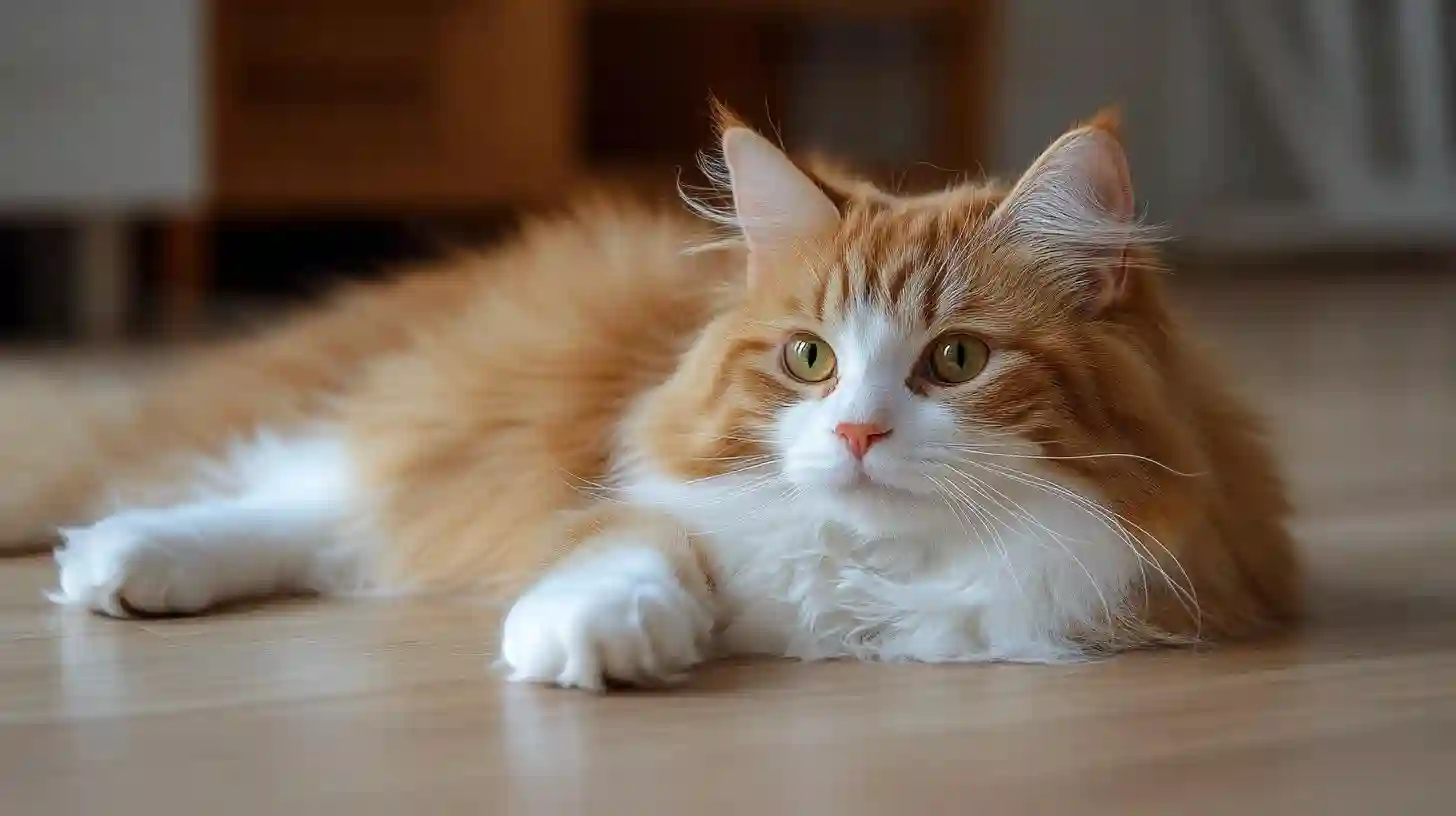
Many cat owners venture into the realm of pet ownership believing they provide a loving home, filled with care and affection. However, love can sometimes manifest in ways that may not be beneficial for the feline friend. Understanding the nuances of cat behavior is vital for ensuring that the bond between owner and pet is strong and healthy. Several common behaviors that cat owners often mistakenly believe are expressions of love can actually be detrimental to their pets' well-being.
One such behavior is giving excessive attention, especially when your cat seems disinterested. Cats are known for their independent nature, and they often appreciate personal space. Picking up, petting, or forcing interaction on a cat that’s trying to avoid it can create stress and anxiety. Observing your pet's body language is crucial; if your cat is flattening its ears, flicking its tail, or attempting to move away, these are signs that it requires space. Respecting their boundaries is a form of love that fosters a trusting relationship.
Another common misconception is that feeding your cat human food is an expression of care. While it’s true that sharing is a sign of affection, not all food shared with felines is safe or healthy. Human food, especially items rich in fats, sugars, and sodium, can lead to obesity and various health problems. Even seemingly benign foods like onions or garlic can be toxic. Instead of indulging your cat with your meals, focus on providing nutritionally balanced cat food, specifically designed to meet their dietary needs.
Playtime is often viewed as a bonding experience, but the way in which you engage with your cat during these moments matters greatly. Many owners might think it's fun to roughhouse or engage in chase games, yet this can lead to overstimulation and result in aggressive behavior. Cats, especially those that are naturally more skittish, can become anxious if they perceive playtime as a threat. Instead, opt for calm and gentle play with toys that allow your cat to exercise its natural hunting instincts while maintaining a relaxed environment.
Another aspect to consider is the emotional state of your cat, especially during times of stress. Life changes, such as moving home, welcoming a new pet, or experiencing changes in family dynamics, can profoundly affect your feline companion. Often, owners might overlook signs of stress, assuming their cat is simply adjusting. However, according to feline behavioral experts, addressing stress with additional care, like environmental enrichment, creating safe spaces, and maintaining routines, can significantly decrease anxiety levels.
Some owners may also mistake physical discipline as a method of training or correction. Using a spray bottle or physically punishing your cat for undesirable behavior can lead to fear and mistrust rather than improved behavior. Cats are less likely to understand the connection between their actions and the negative response from their owner. Positive reinforcement, such as rewarding desirable behavior with treats or praise, is proven to be more effective and promotes a loving relationship.
Equally important is the indoor environment where a cat lives. Believing that indoor cats lead a worry-free life can be misleading. Indoor environments can become stale, and cats need stimulation to thrive. If your cat spends most of its time lounging, it might require additional enrichment options. Interactive toys, climbing structures, or even a window perch can provide your pet with mental and physical stimulation, improving its quality of life. Furthermore, exposing your cat to safe outdoor experiences can enhance their well-being, provided precautions are in place.
Lastly, ignoring the signs of health problems in your cat can be perceived as a lack of love. Regular veterinary checkups are essential for keeping your cat healthy, and recognizing changes in appetite, behavior, or physicality should prompt immediate attention. Early detection of health issues is crucial, and making the effort to ensure your cat receives appropriate medical care is one of the purest forms of love a pet owner can offer.
Understanding that love is more than just affection and cuddling is pivotal for cat owners. It requires patience, respect for boundaries, and an awareness of your cat’s needs and environment. By evaluating your actions and adjusting them to suit your feline friend, you cultivate a deeper bond that promotes their happiness and well-being.