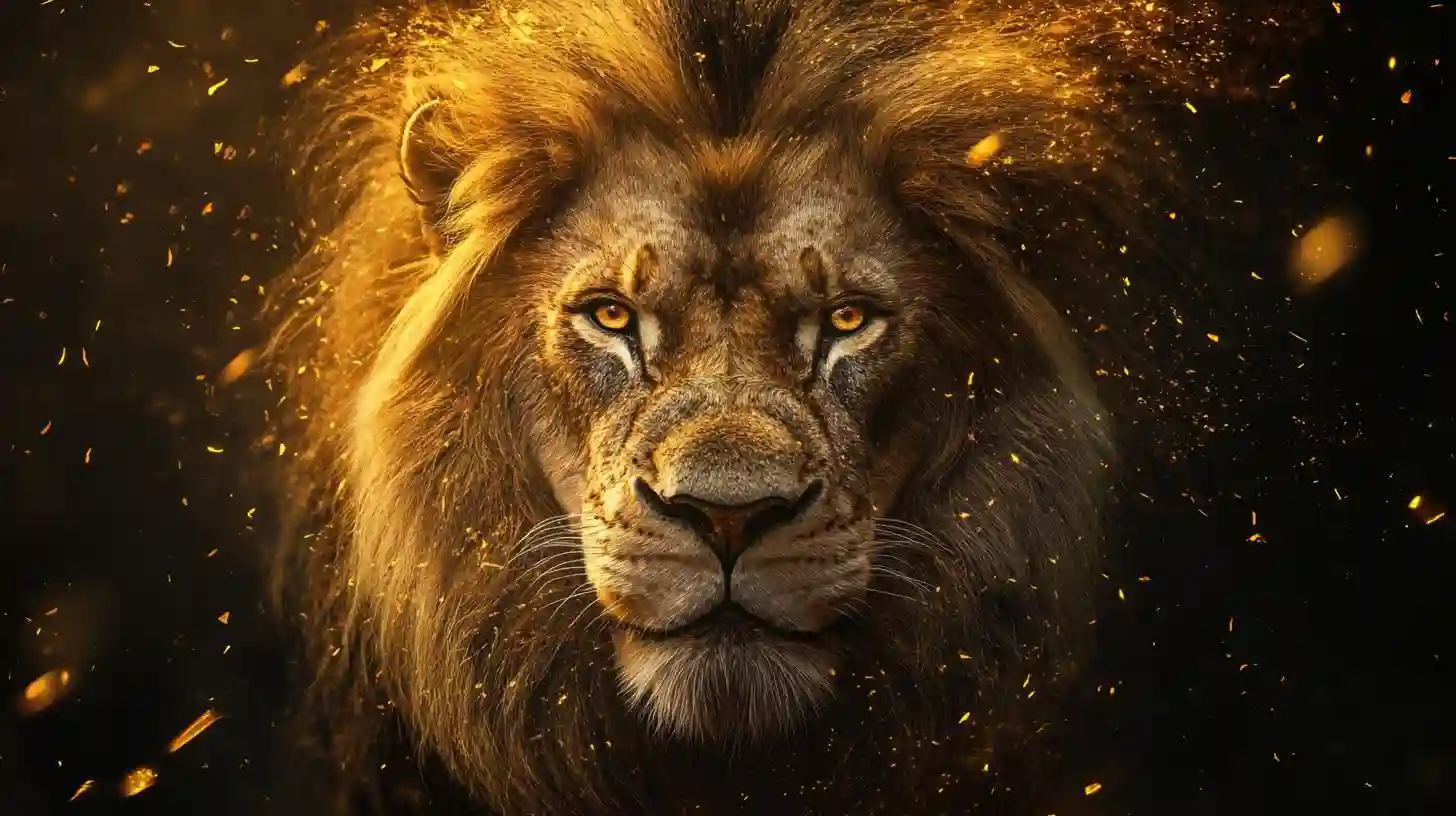
The lion has long been recognized as a symbol of prestige and power across various cultures and civilizations. Its majestic presence, combined with fierce predatory instincts, has meant that this remarkable creature occupies a unique place in human imagination and symbolism. From ancient Egyptian pharaohs to modern sporting teams, the lion embodies traits such as strength, bravery, and nobility, making it an enduring icon that transcends time and geography.
In the wild, the lion reigns as one of the largest and most formidable predators, often referred to as the king of the jungle. This title is not merely a nod to its physical size and strength but also a recognition of its role within the complex social structure of its prides. The lion's behavior, characterized by teamwork and cooperation, showcases a sense of loyalty and leadership. These traits are essential in the context of survival and success in the often harsh and competitive environment of the savannah. As a result, lions have come to symbolize not only raw power but also the importance of communal bonds, hierarchy, and unity in overcoming challenges.
Ancient cultures embraced the lion as a symbol of the divine or the royal. In ancient Egypt, lions were associated with powerful deities, such as Sekhmet, the warrior goddess. Statues of lions flanked temple entrances, signifying strength and protection. The Egyptian pharaohs often adopted lion imagery to indicate their strength and authority, reflecting their status as rulers ordained by the gods. This royal association continued through history, as kings and emperors around the world used the lion in their crests and emblems to project power and dominance. The frequent depiction of lions in heraldry and coats of arms illustrates the enduring perception of lions as noble creatures deserving of admiration and respect.
Christian symbolism has also contributed to the lion's representation of prestige and power. In biblical texts, the lion is often viewed as a symbol of Christ, emphasizing strength, courage, and the ability to overcome evil. The image of the Lion of Judah, for instance, signifies the authority and kingship of Jesus Christ. Churches and cathedrals frequently feature lion sculptures to represent divine strength and protection. This religious significance has perpetuated the lion's status as a timeless symbol of not just earthly power but also spiritual authority.
In literature and art, lions are depicted as guardians of sacred spaces and representations of unwavering courage. From ancient epics to contemporary fiction, writers have woven lions into narratives to symbolize heroic qualities and the quest for valor. As guardians of knowledge and wisdom, lions are often illustrated as protectors of those who seek enlightenment. This portrayal reinforces the idea that true power is not just limited to physical strength but also encompasses moral integrity and the pursuit of justice.
The lion's image has also transcended cultural boundaries and found its way into modern society. Sports teams, brands, and organizations frequently utilize the image of a lion to evoke feelings of competition and excellence. These modern representations continue the tradition of associating lions with triumph and leadership, capturing the hearts of those who rally behind such symbols. Whether on the battlefield or in the corporate realm, the lion represents the aspiration to lead, inspire, and achieve greatness.
The conservation of lions in the wild has become a significant concern. As ecosystems face various threats, the struggle to protect these magnificent creatures has drawn attention to the importance of preserving not only the lion but also the natural habitats they represent. Organizations dedicated to wildlife conservation have adopted the lion as a rallying symbol, using its image to educate and inspire action in response to challenges facing the animal kingdom. The lion serves as a poignant reminder of the interconnectedness of power, prestige, and responsibility towards nature, urging humanity to protect the very symbols of strength and majesty that captivate our imaginations.
The presence of the lion in human culture is a testament to its powerful symbolism. The lion encapsulates ideals of strength, loyalty, bravery, and leadership. Its status as a symbol of power traverses geographical and temporal boundaries, created by a collective appreciation for these magnificent creatures. Whether in ancient mythology, royal iconography, or modern representation, the lion stands as an enduring emblem, reminding us of both the strength and the responsibility that come with power. The lion's timeless status as a symbol of prestige and influence ensures its place in our hearts and minds for generations to come.